HALI: Rethinking how we treat high risk leukemia
September 25, 2026 · 6 min read
HALI: A Beacon for High Risk Leukemia Cases
Thanks to your support, The Morgan Adams Foundation (MAF) is funding the groundbreaking High Risk Leukemia Institute, or HALI, at the University of Colorado Anschutz Medical Campus.
The Need for HALI
Over the last three decades, advances in targeted therapies for acute leukemia treatment have improved survival and quality of life. Despite this progress, some subgroups of leukemia patients continue to have poor outcomes, often related to unfavorable biology or treatment-related toxicities.
Because these high-risk subgroups are rare, affected patients are sometimes excluded from clinical trials, and research into the underlying biology, including mechanisms of resistance to both conventional and novel therapies, has been difficult to advance.
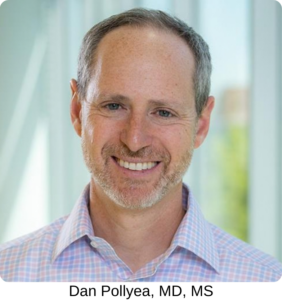 The newly created High Risk Acute Leukemia Institute (HALI) at the Anschutz Medical Campus is co-led by Dan Pollyea, MD, Hematology Division Chief at University of Colorado Anschutz, and Maureen O’Brien, MD, pediatric leukemia specialist at Children’s Hospital Colorado, together with an advisory board of select campus and external experts.
“Our goal is to improve outcomes for patients for whom current standard therapies are inadequate,” says Dr. O’Brien.
“We want to be a beacon for the high-risk cases,” adds Dr. Pollyea. “We don’t want to avoid them, we want to embrace them, on the research and clinical sides, so we can really have an impact where it’s most needed.”
Philanthropic Support: WillStrong Leukemia Program at The Morgan Adams Foundation
 HALI is a philanthropically funded effort, proudly sponsored by the WillStrong Leukemia Program at The Morgan Adams Foundation.
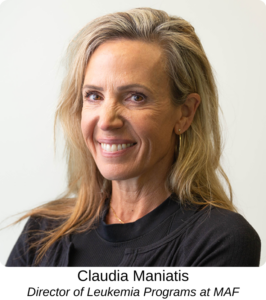
“We are honored to help launch this ambitious new initiative bringing pediatric and adult experts together to find better answers for patients facing some of the rarest and hardest-to-treat leukemias,” shared Claudia Maniatis, Director of Leukemia Programs at The Morgan Adams Foundation.
 By connecting experts, patients, and research across the age spectrum, HALI creates new opportunities to study rare leukemias, understand why treatments fail, and pursue better options for patients who desperately need them.
HALI aims not just to advance research, but to build the program needed to turn the most difficult leukemia cases into the next generation of breakthroughs.
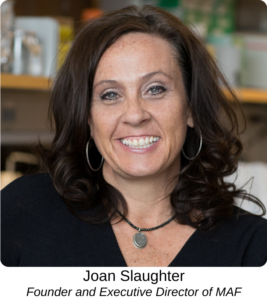
Joan Slaughter, Founder and Executive Director of The Morgan Adams Foundation, noted that “HALI represents the kind of bold, collaborative thinking the Foundation believes can change what is possible for patients facing the toughest diagnoses.”
Understanding Leukemia
Leukemia is a blood cancer that arises when stem cells in the bone marrow produce abnormal blood cells. It affects both children and adults, most often disrupting the early white blood cells the body relies on to fight infection. As abnormal cells accumulate, they crowd out healthy red cells, white cells, and platelets, compromising immune function and normal blood production.
Leukemias are broadly classified as acute (fast-growing) or chronic (slow growing), and as lymphocytic or myeloid, depending on which white blood cell type is affected.
Adult and pediatric leukemias share core biological mechanisms. Both arise from bone marrow mutations that drive uncontrolled white blood cell growth, disrupt normal blood cell production, and present with overlapping symptoms such as fatigue, infection, and bruising. Both are treated with overlapping classes of chemotherapy and bone marrow transplantation.
Bridging Two Fields: Why Age Alone Isn’t Enough
Leukemia care has historically been siloed by age, with pediatric specialists treating patients from birth to 17 and adult specialists treating those 18 and older. But as understanding leukemia’s molecular basis has advanced, it has become clear that these cutoffs are often arbitrary.
Treating high risk patients differently based on age alone limits the field’s ability to advance care for a population that is already too rare to study effectively in isolation.
Comparing leukemia across age groups helps researchers identify which genes matter most at each life stage, design age-appropriate treatments, and recognize that some rare adult leukemias share features with childhood forms of the disease creating opportunities for shared therapies.
A 15 year old and a 60 year old whose leukemias share the same molecular features may have more in common biologically than their ages suggest — and this is the foundational insight behind HALI’s cross-generational approach.
A Campus Uniquely Positioned
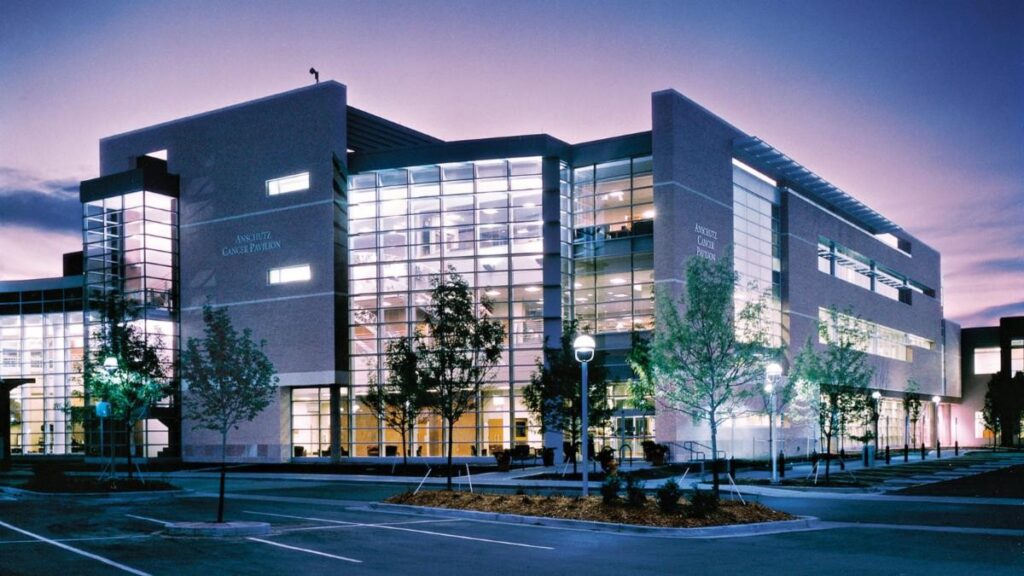
The University of Colorado Anschutz Medical Campus is uniquely positioned to approach the problem from a comprehensive life-span perspective. Children’s Hospital Colorado sees approximately 100 leukemia patients each year, about 40% of whom are considered high risk, while the University of Colorado Hospital sees approximately 125 leukemia patients each year, about 25% of whom are considered high risk.
Both programs sit within a single campus and a single NCI-designated comprehensive Cancer Center, each nationally recognized and supported by an active community of clinical, translational, and basic researchers with a record of successful cross-disciplinary collaboration. HALI was established to focus this community’s efforts and build the hub needed to understand and ultimately eradicate high-risk acute leukemias.
Three Pillars of HALI
-
Clinical care: Establish an in-person, on-campus monthly tumor board meeting that brings together clinical faculty and staff from both adult and pediatric institutions to review high risk leukemia cases and build the clinical bridge needed for future collaboration.
-
Laboratory-based research: Identify and fund research projects focused on the biology of high risk leukemia molecular subsets that cross the age spectrum.
-
Clinical research: Over the longer term, translate findings from on-campus laboratory projects to the bedside through the development of clinical trials that include patients across the age spectrum.
Anticipated Outcomes
- Identify new biologic targets or resistance mechanisms in high risk leukemia subsets.
- Create a centralized high risk leukemia patient registry spanning age groups.
- Establish a national hub for high risk leukemia research and care.
- Increase access to novel therapies for patients with historically poor outcomes.
- Improve response rates in high risk populations over time.
- Reduce delays in accessing specialized care and clinical trials.
The Kickoff Tumor Board Meeting
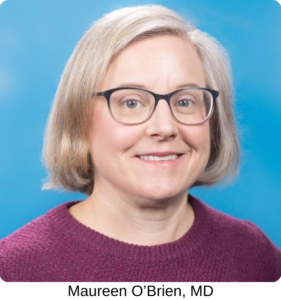
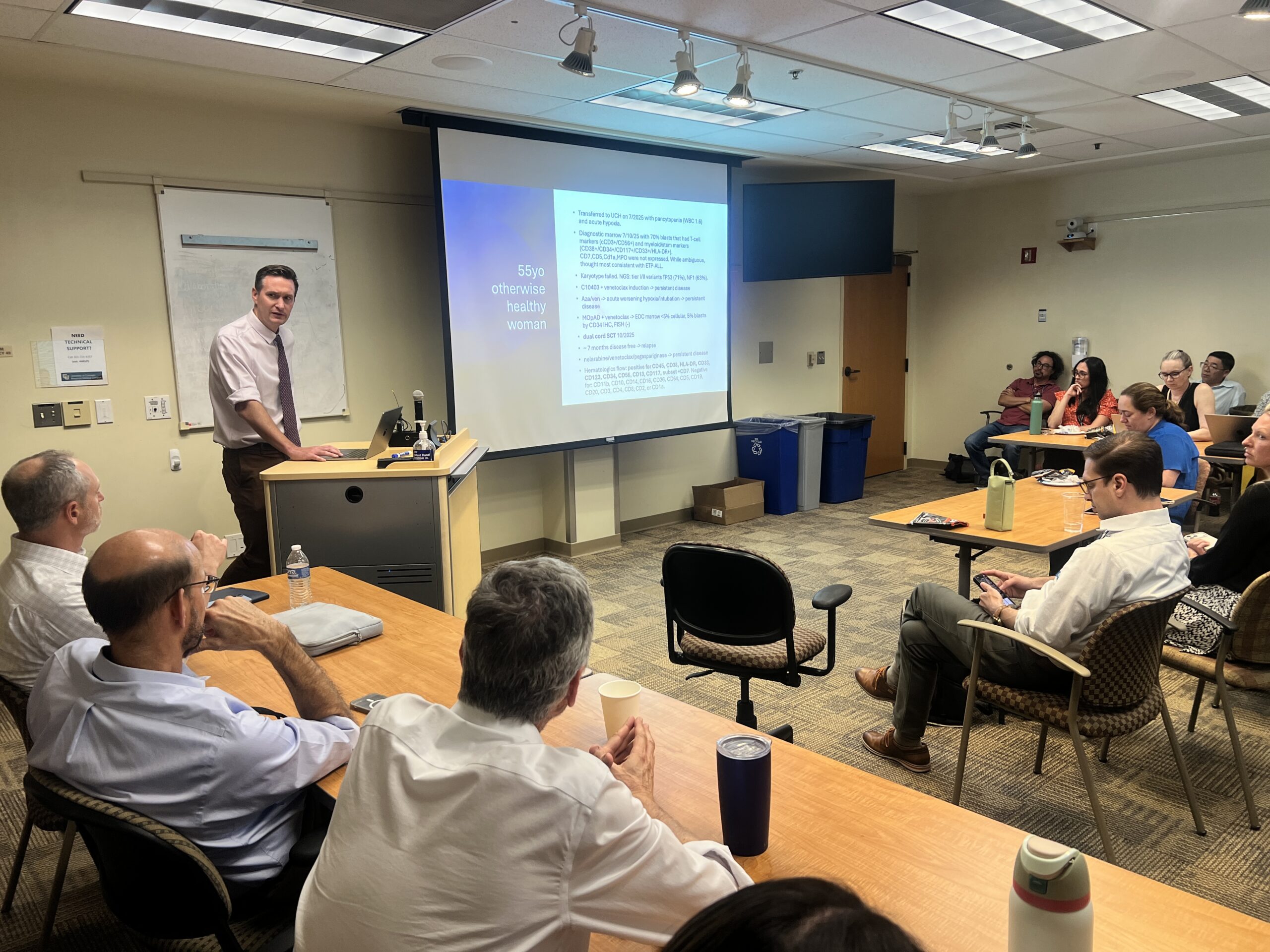
Led by Drs. O’Brien and Pollyea, HALI launched with an in-person kickoff meeting on August 24 on the Anschutz Medical Campus. The meeting brought together physicians, researchers, and campus leaders all focused on difficult-to-treat leukemias and bone marrow disorders.
Maureen O’Brien, MD explains, “We are aiming to tackle cases that have uncommon presentations, poor response to treatment, rare genetic characteristics, that are relevant to both adult and pediatric oncologists.”
At the initial meeting, the group reviewed three particularly challenging patient cases, sharing perspectives and exploring potential treatment options; those conversations also sparked new research questions around these rare diagnoses, demonstrating exactly what HALI was designed to do.
Kids Like Will Deserve More Options
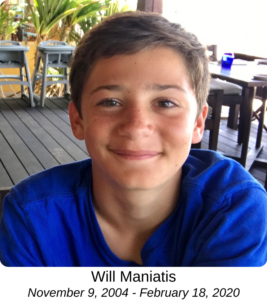
Will endured every horror of treatment for his exceedingly rare subtype of high-risk acute myeloid leukemia (AML) including clinical trials, a bone marrow transplant, and salvage treatment for relapse, in hopes of bridging the gap until a better option became available. He did everything asked of him and more, and he was loved beyond measure. Yet he ran out of options, and died at home, in the place he loved best, at the tender age of 15.
Will was so much more than a cancer patient. He was intelligent, self-aware, stubborn, and could debate anyone into surrender, yet he also had a deeply sensitive and thoughtful nature. An athlete and creative soul who loved music and making people laugh, he was a loving son, an adoring little brother, and a loyal friend to many. Everyone who knew him misses him dearly.
During his final months, Will became an advocate for more research so that teens like him would have more hope.
The WillStrong Leukemia Program, created by his mom, Claudia, exists to honor his wish to bring more effective treatments forward to kids, teens and young adults with leukemia.
If you would like to make a gift to support the critical research powering tomorrow’s pediatric cancer breakthroughs, we invite you to make a gift today, click here.
Together, we are helping researchers uncover the answers hidden within every child’s cancer and bringing us closer to a future where every child has access to more effective and less toxic treatments.