
Building Better Models for Better Treatments
Before any new cancer treatment can help a child, it must first be tested in the lab. The challenge is that many current lab models don’t accurately reflect how pediatric tumors behave in real life, making it harder to predict which treatments will truly work.
Because of your generosity, The Morgan Adams Foundation is helping to push forward several innovative projects focused on creating more realistic tumor models that better mimic childhood and adolescent cancers. These advances could help researchers identify effective therapies faster, reduce unnecessary side effects, and bring promising treatments to patients sooner.
Why Better Models Matter
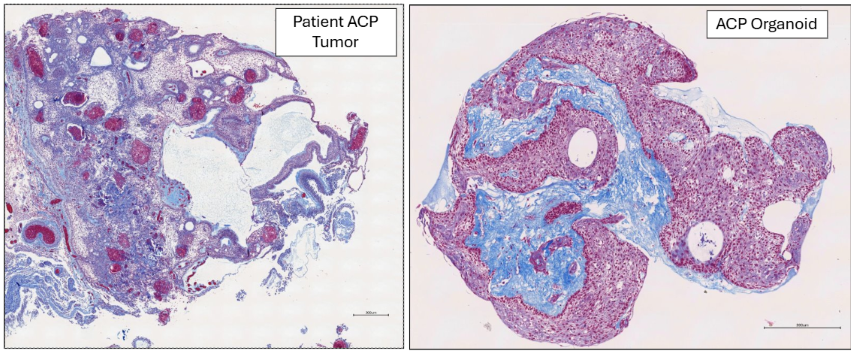
Researchers are developing patient-derived “mini tumors” called organoids and other advanced models that recreate the complex environment surrounding pediatric cancers, including interactions with healthy tissue and the immune system.
These improved models will help scientists:
Research in Action
Teams within The Morgan Adams Pediatric Brain Tumor Research Program are building new models for some of the most challenging childhood brain tumors, including:
By creating models that more closely resemble these tumors in patients, researchers can better understand how cancers grow, why they resist treatment, and which therapies hold the most promise.
The Children Behind the Research
Every improved model represents a step toward safer, more effective therapies for children facing brain tumors. The tumors highlighted — medulloblastoma, craniopharyngioma, and pediatric high-grade glioma — affect children and young adults in different ways, but all share an urgent need for better treatment options.
By recreating these tumors more accurately in the lab, researchers hope to predict which therapies will work before a child ever receives treatment. That means fewer families facing uncertainty and more children receiving the therapies most likely to help them.
Lorelai’s Story: Living with the Lasting Effects of Craniopharyngioma
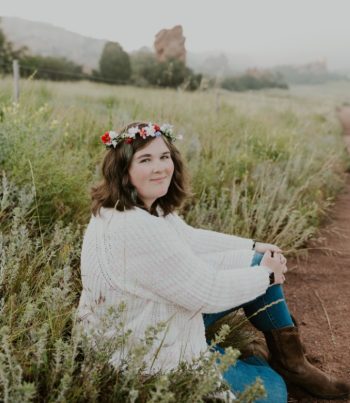
For Lorelai, the warning signs seemed small at first—frequent headaches and stomachaches that didn’t appear to be anything serious. But at just 10 years old, doctors discovered a craniopharyngioma, a rare brain tumor that had already caused permanent loss of peripheral vision in her right eye.
Although craniopharyngioma is considered non-malignant, its location near critical brain structures can have lifelong consequences. Lorelai underwent a complex brain surgery followed by seven weeks of daily radiation treatments. The tumor was treated, but the impact of the disease and its treatment continues today.
Now 20 years old, Lorelai is thriving. She recently completed her second year of college, where she is studying English and pursuing her dream of becoming an elementary school librarian. Yet she still faces the lasting effects of her diagnosis. She requires lifelong hormone replacement medications and will continue to undergo regular MRI scans for many years to monitor for recurrence.
You’re funding research to help more kids like Lorelai
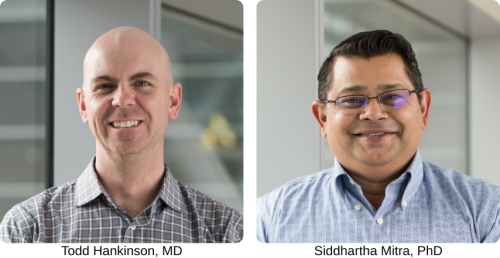
Researchers Drs. Todd Hankinson and Siddhartha Mitra are developing improved organoid models of craniopharyngioma to help identify safer, more targeted therapies. Their goal is not only to treat the tumor, but to reduce the lifelong visual, hormonal, and cognitive challenges that many children experience after surgery and radiation.
Will’s Legacy: The Urgency of Better Treatments for Pediatric Glioma
Will was a vibrant teenager with a passion for learning, music, and adventure. A freshman at Fairview High School in Boulder, he loved cycling, computer science, and technology. He played the saxophone, guitar, and piano, and was known by friends and family for his kindness, curiosity, and ability to make everyone feel included.
At just 14 years old, Will was diagnosed with a high-grade glioma, one of the most aggressive and difficult pediatric brain tumors to treat. Over the next eight months, he faced his diagnosis with remarkable courage and determination.
Even as he battled cancer, Will continued doing the things he loved. In the final weeks of his life, he performed a saxophone solo with his school jazz band and celebrated his 15th birthday surrounded by friends and family. He passed away shortly afterward, leaving a lasting impact on everyone who knew him.
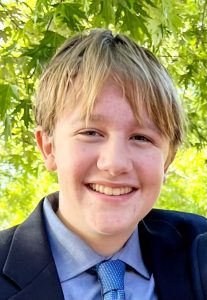
You’re funding research to help more kids like Will
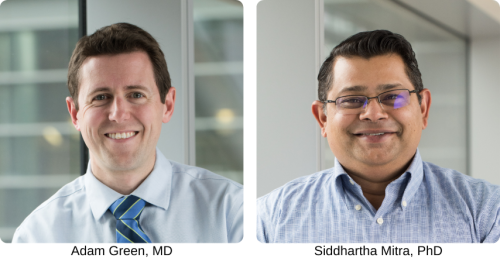
Drs. Adam Green and Siddhartha Mitra are creating advanced models that mimic how high-grade gliomas grow and interact with the developing brain. These models are designed to help researchers understand why these tumors are so resistant to treatment and identify new approaches that could improve outcomes for future patients. For families like Will’s, this work represents hope that children diagnosed in the future will have better options and a greater chance to survive.
Want to learn more about the science behind this and other studies you’re helping to fund?